September 11, 2026
You have decided you want a few days away where somebody else cooks, the phone stays in a drawer, and the biggest decision is whether to walk or swim first. Then you open a search page and find three hundred places that all look identical: a field, a candle, a woman in linen. The difference between a retreat that suits you and one that quietly irritates you for four days comes down to a handful of practical questions. Here is how to work through them before you part with a deposit.
Start with what you actually need
Rest and self-improvement are not the same wish, and retreats sell them differently. Before you browse, write one honest sentence about the week you want. "Three quiet days with a bit of yoga and no small talk at breakfast" is a filter. So is "I want to be knackered by nine and asleep by ten."
Then ask yourself:
- How much structure do I want? A timetable that starts at 6.30am, or one class at ten and the rest of the day free?
- Do I want company in the evening, or my own room and a book?
- What would genuinely ruin it? A hard mattress, a shared bathroom, enforced silence at meals, group sharing circles.
Keep that list next to you while you read websites. It will save you from booking the prettiest option rather than the right one.
Location and the journey there
Look at a map, not just the photograph of the view. A retreat two hours from home is usually more restful than one five hours away, because the travelling eats into the benefit at both ends. Check how you would actually get there. Plenty of rural centres sit a twenty-minute taxi ride from the nearest station, and that fare is rarely included. Ask about transfers before you book.
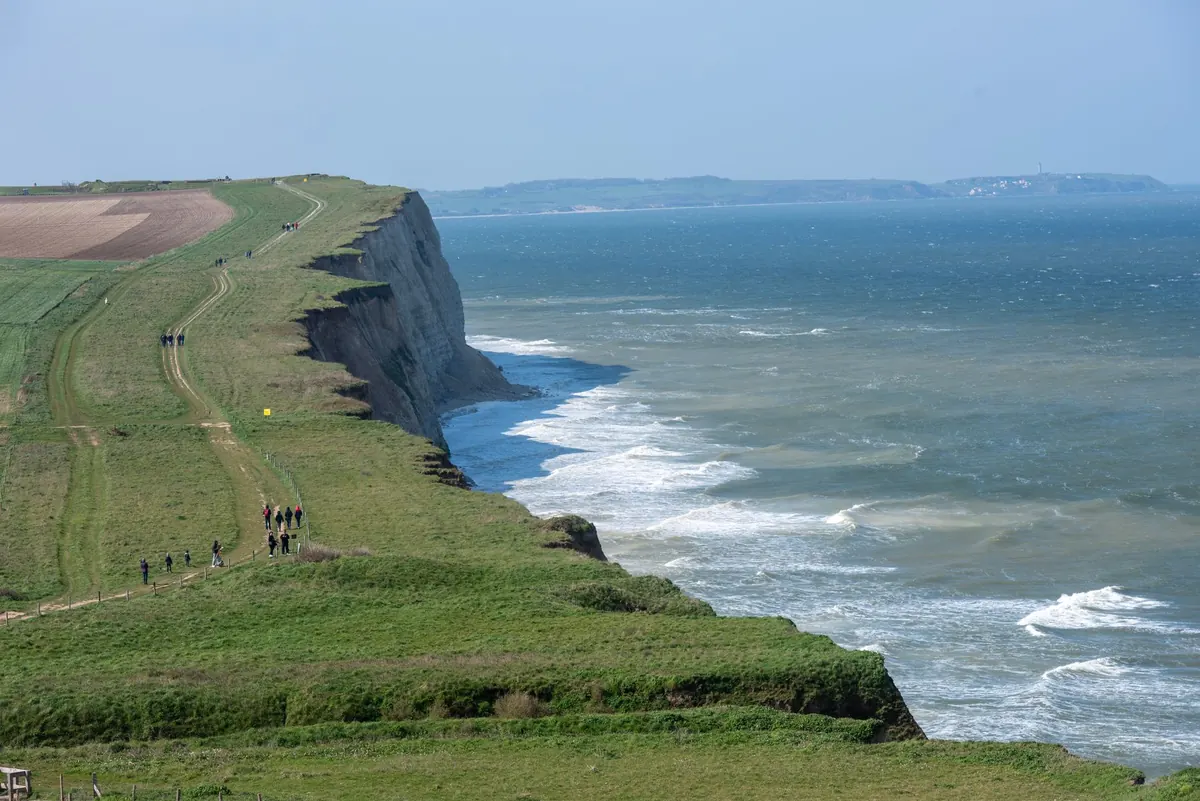
Think about the season, too. A coastal retreat in February is a bracing, windswept thing; the same place in June is a different holiday. If you are driving, consider what the journey home will feel like after a long day of walking, and whether you would rather be close to a town with cafés and a shop for the moments when you want to escape the group.
Food is make-or-break
This is where more retreats disappoint people than anywhere else. Ask specific questions rather than trusting the words "nourishing" and "wholesome".
- Is it vegetarian, vegan, or does it include fish and meat?
- Are portions generous? Some retreats serve smaller plates than guests expect, particularly when there are two yoga classes a day.
- Is caffeine and alcohol available, or is the place dry and decaf? Some people are delighted by this; others are not.
- Are there snacks between meals?
- How do they handle allergies and intolerances, and how much notice do they need?
If you are unsure, pack a few of your own supplies. A bag of nuts and a decent instant coffee have rescued many a weekend. And if you have a history of disordered eating, a juice cleanse or fasting programme may not be a sensible choice; speak to your GP or another qualified professional before booking anything restrictive.
Read past the word "spa"
A "spa" can mean a hot tub, a sauna and one treatment room, or a full thermal suite with a pool. Establish which one you are paying for, and check whether treatments are included or charged on top. They are often an extra.
Then ask about the practical details that brochures skip:
- Is the yoga space indoors and heated? Are mats and props provided?
- Do bedrooms have en suite bathrooms, or is it a shared corridor?
- Is there Wi-Fi, and is it in bedrooms or only the communal lounge?
- Is it a phone-free retreat, and how strictly is that enforced?
- What is the terrain like? Gravel paths, steep stairs and uneven stone floors are common in converted farmhouses.
If you have mobility issues or an injury, say so at the enquiry stage and ask what adjustments are possible. Most small centres are happy to help when they know in advance.
Work out the true cost
Two retreats at the same headline price can differ by a considerable amount once you add everything up. Before comparing, check:
- What room type is included, and is there a single supplement for solo guests?
- Are all meals covered? Dinner on the final day sometimes is not.
- Are transfers, equipment hire, excursions and treatments included?
- What is the deposit, and what is the cancellation policy? Small retreat businesses often have strict terms, so travel insurance that covers cancellation can be worth the money.
Be cautious if you are asked to send a large sum by bank transfer to a personal account with nothing in writing. A reputable organiser will provide clear terms and a proper invoice. If money is tight, a two-night stay or a single day retreat is a sensible first step rather than a full week.
Going solo? Ask these questions
Many first-timers book alone, and plenty of retreats are designed around exactly that. But "solo-friendly" means different things. Ask whether single occupancy rooms are available without a hefty supplement, whether meals are at shared tables or you can eat on your own, and how many guests typically arrive alone.
Find out the group size as well. Six people is intimate, and you will be part of the conversation whether you like it or not. Twenty gives you room to be anonymous when you need to be. If a retreat runs partner exercises or sharing circles, decide now whether that appeals. A good organiser will answer all of this without defensiveness, and their tone in a reply email tells you a great deal about the week ahead.
Before you pay the deposit
- Re-read your one-sentence wish and check the retreat actually matches it.
- Email two or three questions and see how quickly and openly they respond.
- Confirm what is included, what costs extra, and the cancellation terms in writing.
- Check the cancellation cover on your travel insurance.
- Decide how you will get there and back, including the last leg.
Book the shorter version first. Two nights will tell you whether you love structured retreats, or whether you simply needed a quiet hotel with a pool and no alarm clock. Both are perfectly good outcomes, and knowing which one you are will make every booking afterwards much easier.
Photo: Hoài Nam / Pexels