September 29, 2026
Most people arrive at their first retreat expecting silence, and leave with a head full of noise. That is normal. Anxiety does not check the timetable, and sitting cross-legged in a beautiful room does not switch it off. What helps is something smaller: ten minutes, one breath at a time, most days.
No app, no cushion, no belief system required. It is easy to learn and easy to keep.
Why Ten Minutes Beats an Hour You Never Do
An anxious body responds to two things: a steady rhythm and a task simple enough to finish. Longer sessions offer both, but they ask for a lot of trust up front — trust beginners rarely have yet. Ten minutes is short enough that the excuses stay quiet. You can do it before breakfast, in a parked car, in a retreat garden.
Consistency matters more than duration in the early weeks. A daily ten minutes teaches your body something a monthly hour cannot: that stillness is familiar, available and safe.
The Ten-Minute Breath Practice
Set a timer so you are not clock-watching. Sit with your feet flat on the floor, or on a cushion, or lie down if that is easier. Eyes closed, or resting softly downwards.
- Settle for thirty seconds. Feel your weight in the chair, your feet on the floor, the temperature of the room. Nothing to fix yet.
- Find the breath where it already is. Do not change it. Notice where you feel it most — nostrils, chest or belly.
- Lengthen the out-breath slightly. If it is comfortable, breathe in for four and out for six. Never strain; a slightly longer exhale is enough.
- Choose one anchor. The air at your nostrils, or the rise and fall of your chest. Everything else can stay in the background.
- Count ten breaths. One on the in-breath, two on the out, up to ten. Then start again at one.
- Return when you drift. You will. Noticing that you have wandered off is the practice working, not failing.
- Close with thirty seconds of openness. Let the counting go. Feel your hands, your feet, the room.
- Pause before you move. One ordinary breath before you stand up or reach for your phone.
That is roughly ten minutes. If the timer sounds mid-count, stop where you are.
A two-minute version for difficult moments
Anxious before a meeting, an appointment or sleep? Three slow out-breaths, ten counted breaths, then a minute of sitting still. Same shape, less time.
When Your Mind Will Not Settle
Expect thoughts. Expect the urge to plan dinner, check your phone, replay a conversation from years ago. Thoughts are not the problem; arguing with them is. If an emotion arrives, name it quietly — worry, sadness, anger — and go back to the next out-breath.
Restlessness, tears, sudden sleepiness, irritation with the person breathing loudly beside you: all of it can be included. Nothing has gone wrong. You are learning to stay.
Grounding Techniques for Difficult Moments
Meditation is not the only tool. Grounding pulls attention into the physical present, which often takes the volume down quickly.
- Five, four, three, two, one. Name five things you can see, four you can hear, three you can touch, two you can smell, one you can taste.
- Feet and chair. Press both feet into the floor and feel the chair take your weight. Notice that for thirty seconds.
- Cold water. Run cool water over your wrists, or hold a cold glass against your cheek. Temperature shifts attention fast.
- Longer out-breath. In through the nose for four, out through the mouth for six or eight. Ten rounds.
- Slow walking. Ten steps, feeling each foot land. At a retreat, walk the path to the dining room and back.
- Say it plainly. “This is anxiety, and it will pass.” Naming it out loud often loosens its grip.
Building It Into Retreat Life
Anchor the practice to something that already happens: after breakfast, before the morning session, last thing before bed. Same chair if you can. Tell a retreat teacher you are a beginner; they will often sit with you or adjust the instructions. Group sits help too — not for spiritual reasons, but because a room of people being quiet together is easier than being quiet alone.
Expect the first week home to be bumpy. Keep the ten minutes on the days it feels pointless, and shorten it on busy days rather than skipping it.
When to Seek Professional Support
Meditation is a useful companion, not a treatment for everything. Talk to your GP or a qualified mental health professional if:
- anxiety affects your sleep, work, eating or relationships most days;
- panic attacks, or the fear of them, limit where you go or what you do;
- intrusive thoughts or memories feel unmanageable;
- the practice consistently leaves you more agitated or emotionally flooded;
- you are using alcohol, drugs or other substances to cope.
Retreat teachers are not a substitute for clinical care, and a good retreat will say so. If you have a history of trauma, a trauma-informed teacher can adapt the practice; a very physical anchor such as the feet, hands or sound is often easier than open awareness. If you are already under the care of a doctor or therapist, tell them what you are practising.
Your First Ten Minutes
You do not need to wait for a retreat. Sit down somewhere quiet, set a timer for ten minutes, and count ten breaths. Then do it again tomorrow at roughly the same time. That is the whole method: one short session, repeated, with a kind attitude when your attention wanders. Ten minutes will not erase anxiety, but done daily it changes your relationship with it — and that is usually where the relief starts.
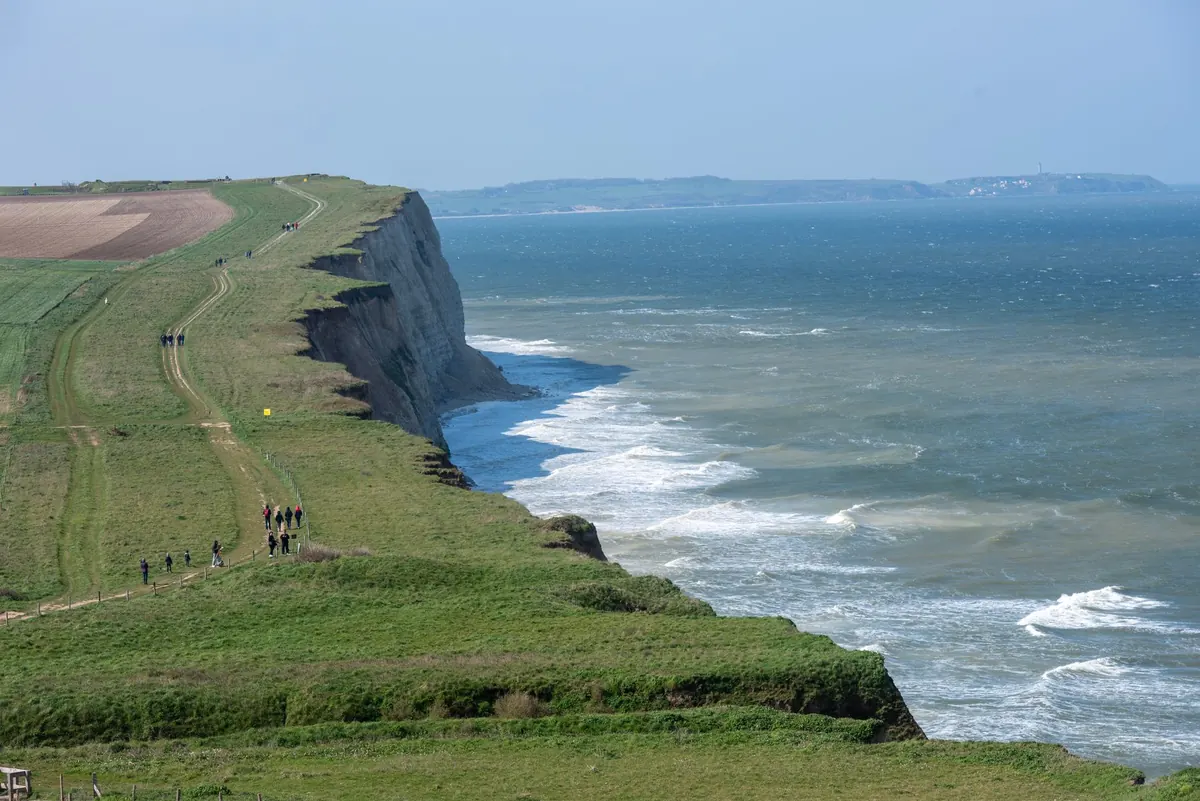
Photo: JillWellington / Pixabay