September 27, 2026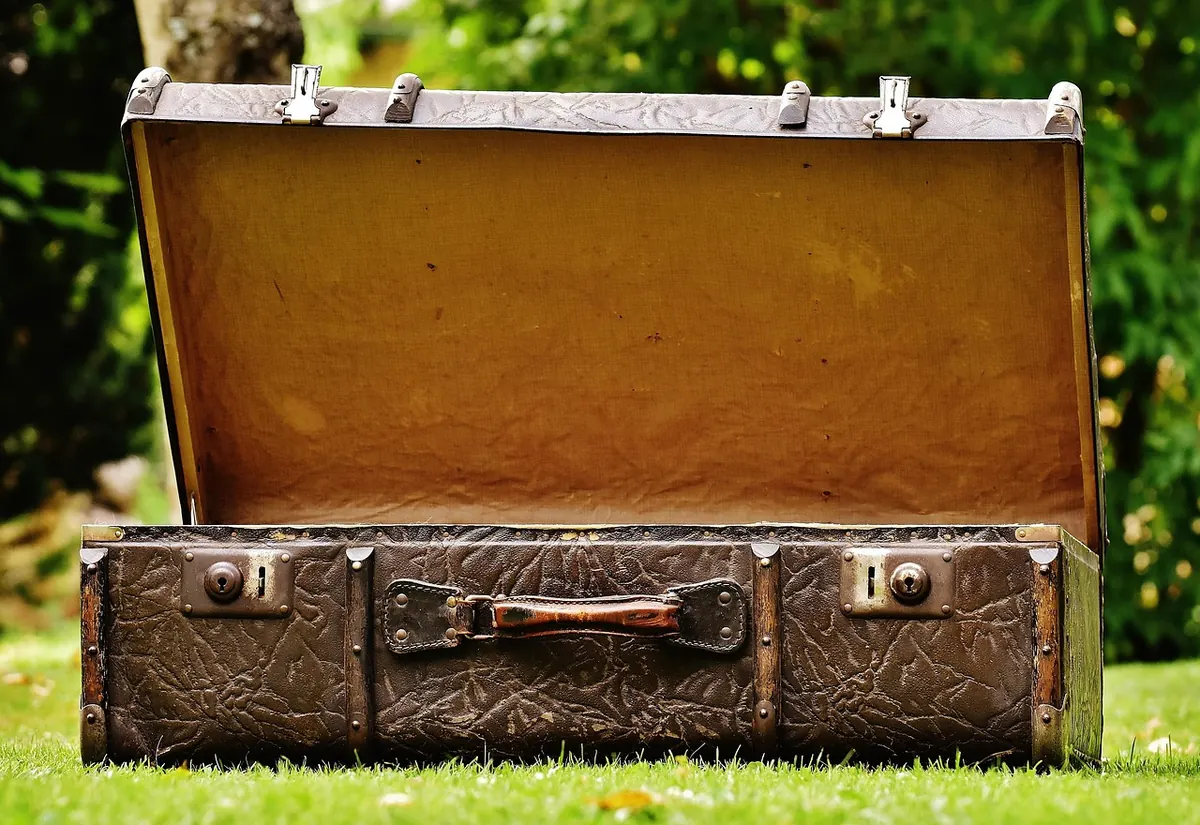
Pack for a yoga barn in Somerset and a week in a Highland lodge and you will fill two very different bags. The thread running through both is the British weather, which can serve up a mild afternoon and a soaking by teatime on the same day. Get the basics right and you will spend your break resting rather than rummaging through a suitcase for dry socks. What follows is a working checklist — clothing, toiletries, comfort and practical bits — with notes on how it shifts depending on the kind of retreat you have booked.
Start With Layers, Not a Capsule Wardrobe
Most UK retreat centres are old buildings: converted barns, farmhouses, former monasteries, seaside hotels with single-glazed windows. They run cool in the morning, warm by mid-afternoon and chilly again after dinner. Layering beats packing a separate outfit for every mood.
- Two or three base layers — t-shirts or long-sleeved tops, cotton or merino
- One or two mid layers: a fleece, a thin jumper, a hoodie
- One warm outer layer for sitting outside in the evening
- Two pairs of comfortable trousers or leggings, plus one pair you would happily wear to dinner
- Thick socks, which matter enormously if shoes come off indoors
- A scarf or shawl that doubles as a blanket during long sits
- Sleepwear you are happy to be seen in on the way to a shared bathroom
Leave the denim at home if you will be sitting cross-legged. Check whether the centre has laundry facilities before you decide how much to bring; many do not, and hand-washing leggings in a cold bathroom is nobody's idea of a restful evening. A small mesh laundry bag takes up almost no space and keeps damp kit away from everything else.
Footwear and Outerwear for British Weather
A shower-resistant jacket is not a waterproof jacket. If you are walking between buildings, along a coastal path or into a village, you want a proper hood and taped seams. Bring two pairs of shoes you can actually walk in, because wet boots need a full day to dry.
- Waterproof jacket with a hood
- Walking boots or wellies for muddy ground
- Trainers for the studio and around the grounds
- Flip-flops or sandals for shared showers
- Slippers or a second pair of thick socks for indoor floors
Add a small daypack for walks, and a dry bag or a plastic bag inside it for your phone and wallet. A folding umbrella is worth the weight if you are staying anywhere near the coast.
Toiletries: Decant, Simplify, Go Unscented
Many centres ask guests to bring refillable bottles and cut down on single-use plastic, and some provide little more than hand soap. Shared bathrooms also mean you want a wash bag that hangs on a hook rather than one that has to be unpacked onto a shelf.
- Shampoo, conditioner and shower gel decanted into small refillable bottles
- Toothbrush, toothpaste and a flannel
- Deodorant, razor, hair ties
- Sunscreen and lip balm — yes, even in October
- Tissues, hand sanitiser and a few plasters
- Rehydration sachets if you are doing long walks
Choose unscented or lightly scented products. Strong fragrance lingers in a shared studio and can be genuinely unpleasant for the person on the mat beside you. If you take regular medication, keep it in the bag you carry rather than the one in the boot of the car, bring more than you need, and speak to your pharmacist or GP about anything you are unsure of before you travel.
Comfort Items: Small Things That Protect Your Sleep
Retreat accommodation is often shared, and unfamiliar rooms are rarely quiet. A few lightweight items can make the difference between a restorative week and a tired one.
- Eye mask and earplugs
- Your own pillowcase, if you are fussy about pillows
- A hot water bottle for cold evenings
- A notebook and a pen — retreats give you time to write and rarely supply a decent pen
- A paperback for the journey and slow afternoons
- Headphones, and a watch if you are handing in your phone
Leave the speaker at home unless the centre explicitly allows one. Silence is often the point.
Practical Essentials
- Reusable water bottle and a travel mug
- Phone charger, a long cable and a power bank
- A short extension lead if sockets are scarce in a shared room
- Some cash for honesty boxes, village cafés and tips
- Booking confirmation and printed directions — signal can vanish in rural areas
- Photo ID, and travel insurance details if your trip includes it
- Snacks for the journey and a small first aid kit
Pack Differently by Retreat Type
Yoga, meditation and silent retreats
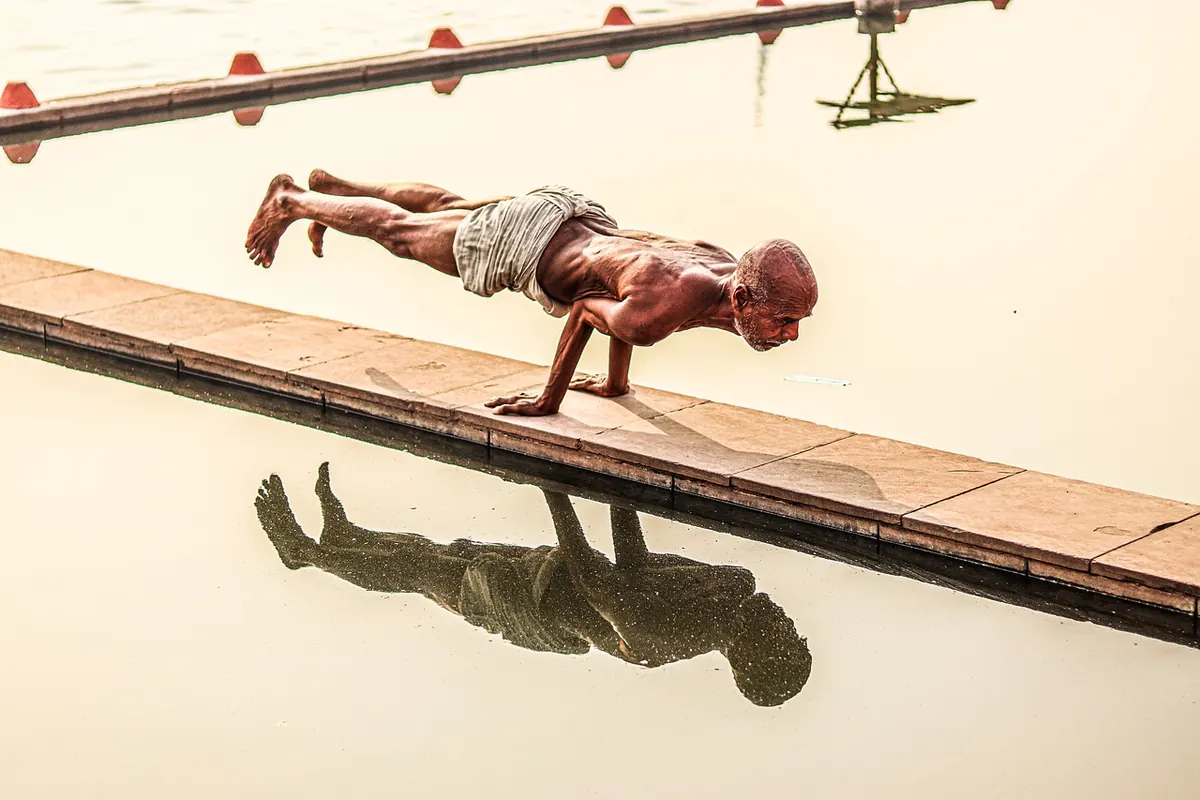
Loose layers, thick socks, a shawl, a notebook. Skip perfume. If phones are collected on arrival, a watch is genuinely useful. Bring a second pair of comfortable trousers; you will wear them more than you think.
Walking and coastal retreats
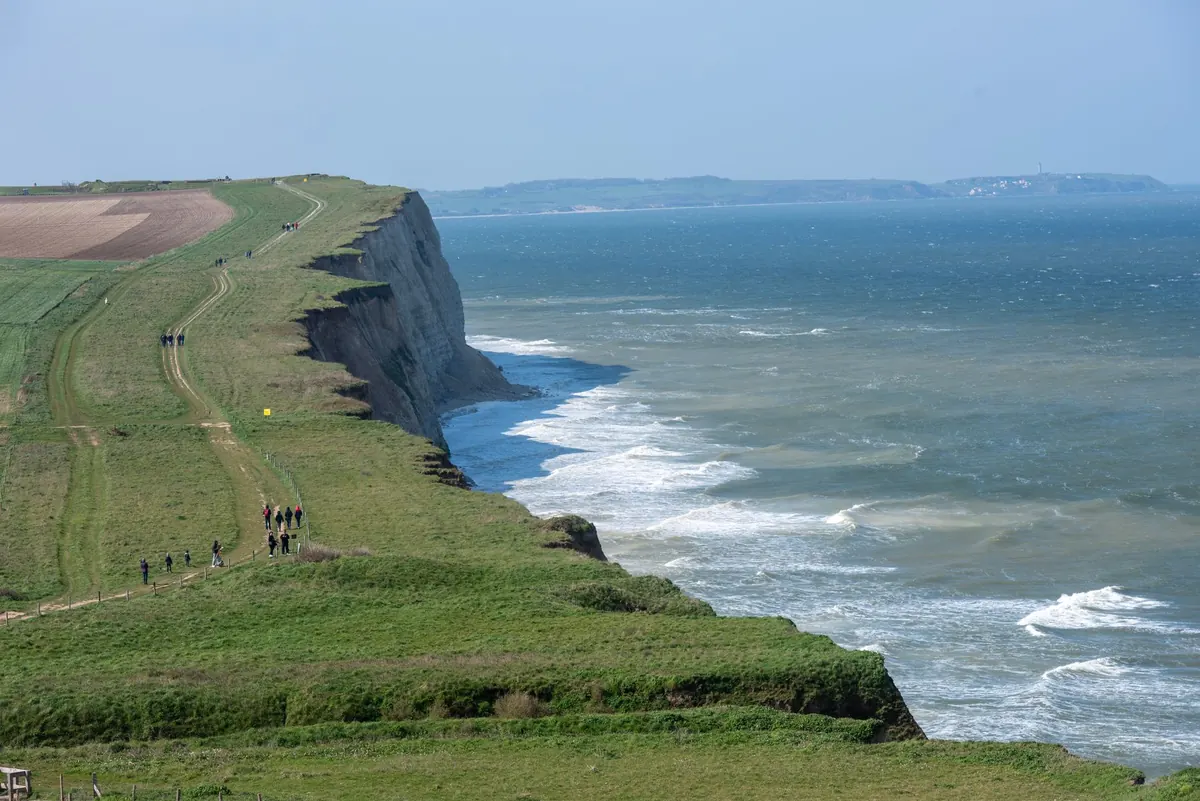
Waterproofs, two pairs of boots, blister plasters, a swimsuit if sea swimming is on the schedule, a quick-dry towel, a sun hat and midge repellent for the west coast of Scotland in summer.
Digital detox and forest cabins
A head torch, a power bank, warm socks and slippers, extra layers, waterproof boots, a paper book and a deck of cards. Assume the cabin is colder and darker than the photographs suggest.
Spa hotels and country house retreats
Swimwear, flip-flops and a smart-casual outfit for dinner. Most provide robes and towels, so check before packing your own. A small bag for evenings is more useful than a second pair of heels.
The Final Check the Night Before
Email or ring the centre with three questions: what do you provide, is there laundry, and what is the shoe policy? Then repack, lift the bag and walk a lap of the hallway with it. If it feels heavy after twenty steps, take three things out.
Keep medication, your charger and a spare pair of socks in the bag you will carry with you. Leave one corner of the suitcase empty — retreat shops and honesty boxes have a habit of selling very good candles, honey and second-hand books.
Photo: Alexas_Fotos / Pixabay