September 21, 2026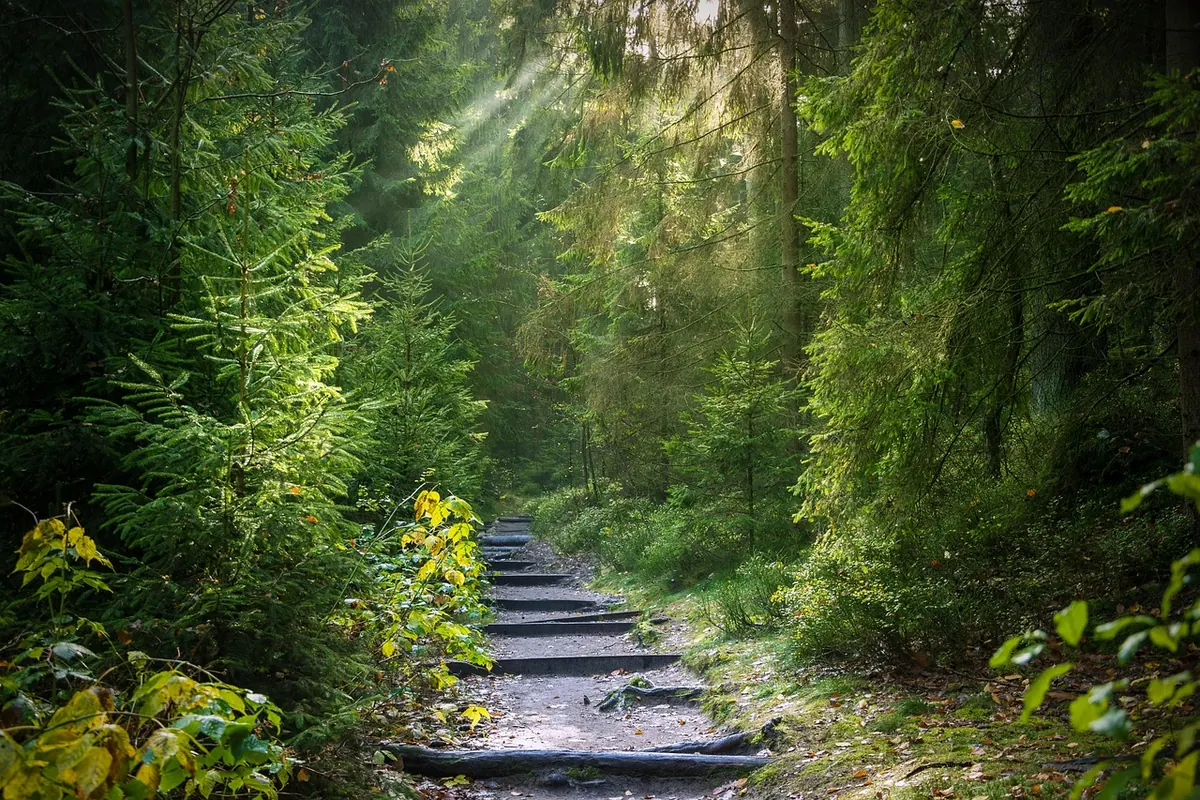
Somewhere in a beech wood in the Chilterns, the sound of the M40 thins to a hum, then to nothing at all. That shift — from traffic to leaf litter, from screen to canopy — is the whole point of forest bathing. The Japanese practice of shinrin-yoku translates roughly as "taking in the forest atmosphere", and it is closer to sitting than to hiking. A weekend is enough time to do it properly: long enough to stop rushing, short enough to fit around work.
Here is how to plan one in Britain, from picking the woodland to pacing the days.
What Shinrin-yoku Actually Asks of You
Distance and elevation are not the point. A session is measured in attention, not kilometres. The aim is to let the senses recalibrate: damp earth, resin, the way light moves through a canopy, the clatter of a wood pigeon taking off. Two slow hours in the same acre will do more than fifteen brisk ones across a ridge.
Expect the first half hour to feel awkward. Most people arrive with an agenda and a phone. The restlessness passes if you stay put. It is not a technique to master — it is a pace you have to allow yourself.
Choosing Your Woodland
Character matters more than size. A twelve-hectare wood with a stream and a mixed canopy beats a bleak conifer plantation ten times the size. Look for these things:
- Mixed species and a range of ages. Broadleaves, understorey, deadwood — more to look at, more life.
- Water. A stream, pond or ditch gives you a sound to sit with, and often draws birds.
- Somewhere to sit. A bench, a bridge, a fallen log. You will use it more than you think.
- Quiet. Check a map for roads, quarries and flight paths before you fall in love with a wood.
- Clear access. In Scotland, most land is open under the right to roam. In England and Wales, stick to public footpaths, bridleways and open access land, and follow the Countryside Code. Woodland is often privately owned, so if you want to sit off-path for hours, ask first.
Good places to start: Woodland Trust and National Trust woods, Forestry England and Natural Resources Wales sites, Scotland's national forests, and county wildlife trust reserves. Village and community woods are often quieter than the famous ones.
Planning the Weekend: Base, Timing and Kit
Choose a base within twenty minutes of the wood. A village B&B, a campsite or a small self-catering cottage all work; what you want is a short, boring journey to the trees, so you arrive unhurried.
Late spring and early autumn are the sweet spots — leaf, birdsong, low light and fewer people. Avoid bank holiday weekends and school half-terms if you can. Dawn and the last two hours of daylight are usually the quietest.
Kit is simple, but British woodland punishes optimism. Bring:
- A proper waterproof jacket and trousers, whatever the forecast says
- Boots with grip; the mud here is seasonal and ambitious
- Layers, a hat, and a sit mat or folded bin bag to keep your trousers dry
- A flask, water and something to eat — there is rarely a café at the end of the path
- Midge repellent for the west and north from June to August; a head net costs little
- A paper map, a charged phone, and a small first aid kit including a tick tool
How to Run a Session
Two to three hours is plenty. Switch your phone to flight mode — off is better. Then:
- Pause at the edge. Spend ten minutes standing still where the path enters the trees. This is the door; walk through it slowly.
- Walk at half your natural pace. Aim for the speed of someone with nowhere to be. Let your eyes drift rather than fix on a destination.
- Find a sit spot. Choose one place and stay for at least twenty minutes, on something dry. Let the wood forget you are there.
- Take the senses one at a time. Count five sounds. Then five things you can smell. Then notice only what moves. It sounds like an exercise because it is one.
- Return slowly. Walk back at the same pace. The last hundred metres matter as much as the first.
Repeat once more over the weekend, in a different wood if you like. Two sessions done properly beat five rushed ones.
A Sample Weekend Shape
Friday evening
Arrive, unpack, eat something warm. Walk the first ten minutes of your chosen path in the dusk, just to know where it goes. Early night.
Saturday
Out before breakfast or straight after it for the long session — three hours, including a sit spot. Afternoon off your feet: read, swim, sleep. Then a short second wander at golden hour, with no agenda at all.
Sunday morning
A shorter session in a different wood, or the same one approached from the far end. Lunch, then home by early afternoon, so the drive does not undo the weekend.
Weather, Ticks and Other Practicalities
Rain is fine and often beautiful; wind is not. If trees are creaking, branches are dropping or a storm is forecast, leave the wood and walk a lane instead. Check the forecast before you set out, and tell someone where you are going and when you expect to be back — signal in woodland is unreliable.
From spring to autumn, ticks are a genuine consideration in long grass, bracken and deep leaf litter. Cover your legs, check yourself thoroughly afterwards, and remove any tick promptly with fine-tipped tweezers or a tick-removal tool, pulling steadily without twisting. If you later notice a spreading rash, fever or flu-like symptoms, contact your GP or NHS 111 for advice. This is general guidance, not medical advice.
Keep dogs under control or on a lead around livestock, and between March and July when ground-nesting birds are vulnerable. Take everything home with you, including fruit peel.
Bringing It Home
Book one weekend, keep it to a single wood and two sessions, and resist the urge to add a long hike or three friends who talk. The logistics take twenty minutes; the rest is turning up and slowing down.
Then take the practice back with you. Twenty minutes in a local park, sitting still under the same tree once a week, holds most of what a weekend offers. Same rules: phone away, pace halved, senses one at a time.
Photo: Seaq68 / Pixabay